Authors:
Dr.Avinash.E, Consultant & Head
Dr.Navin Gandhi.S, Junior Consultant
Department of Anaesthesia, Critical Care & Palliative Care
CURI HOSPITAL, CHENNAI
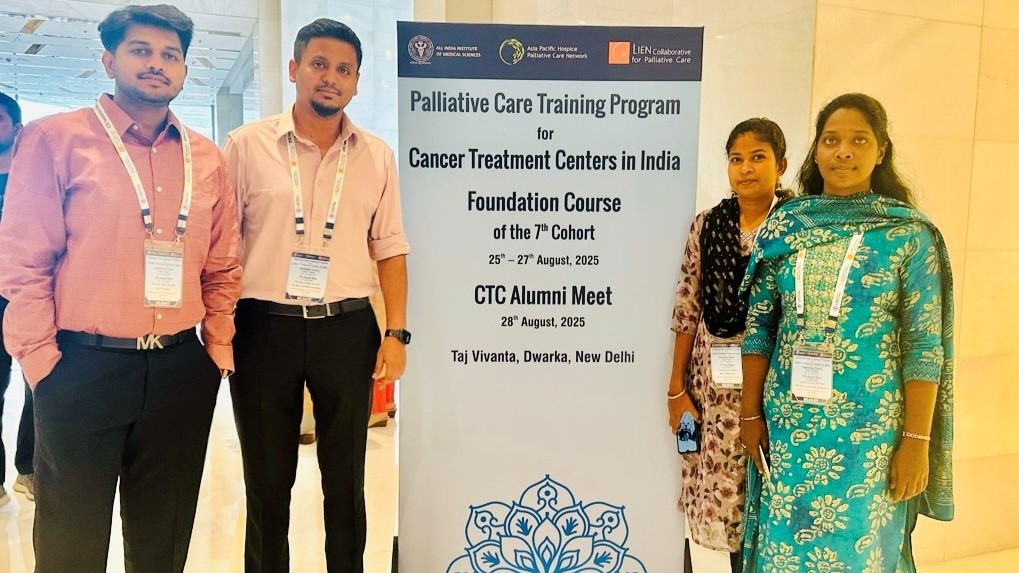
In private hospital settings, care is often equated with action—more interventions, more monitoring, more escalation. As anaesthesiologists working within perioperative and critical care systems, we are trained to stabilize and intervene. However, our experience after the CTC Refresher course has led us to question an important assumption: Does more always mean better?
A recent clinical encounter brought this into sharp focus.
A 68-year-old male with Advanced Carcinoma bladder and metastasis presented with intestinal obstruction. He had significant comorbidities and poor functional reserve. Surgery was technically possible, but the anticipated trajectory included prolonged ICU stay, ventilator dependence, and a high likelihood of poor recovery.
In many private setups, the default pathway would be escalation—proceeding with intervention because it is feasible. This time, we chose to pause.
We initiated a structured goals-of-care discussion with the family. Instead of focusing solely on surgical risk, we discussed expected outcomes—what life after intervention might realistically look like. We asked a critical question: “Would this align with what he would have wanted?”
The answer changed the course of care.
The family shared that the patient had always valued independence and would not have wanted prolonged life support without meaningful recovery. With this clarity, the decision shifted from aggressive intervention to comfort-focused care. The patient was transitioned to a palliative pathway—prioritizing symptom relief, dignity, and family presence.
What followed was not dissatisfaction, but relief. The family felt heard. The care team experienced clarity. Most importantly, the patient received care aligned with his values.
This is where palliative care needs to be clearly understood—not as withdrawal, but as appropriate redirection of care.
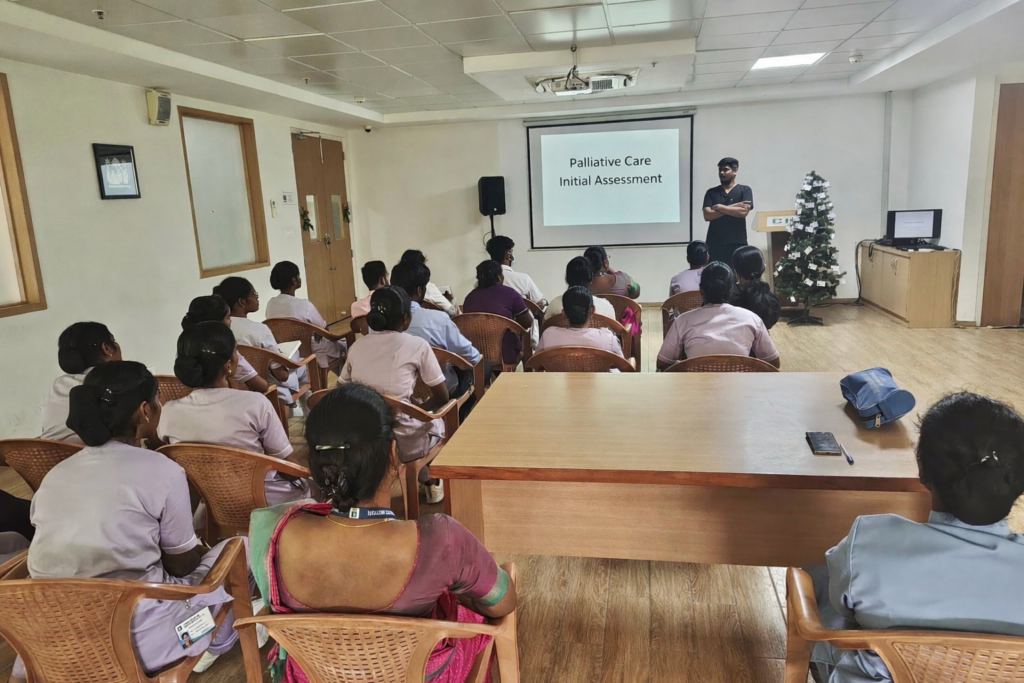
In private healthcare, there is often a perception that palliative care is synonymous with “giving up.” This misconception leads to delayed referrals, fragmented symptom management, and, at times, prolonged suffering through non-beneficial interventions. Our experience suggests the opposite: early integration of palliative care improves both clinical outcomes and patient-family satisfaction.
Another critical shift has been in symptom ownership. Pain, breathlessness, and anxiety are not secondary concerns—they are central to patient experience. Simple, evidence-based interventions—timely opioids for dyspnea, anticipatory symptom control, clear communication—can dramatically improve quality of care. These are not resource-intensive changes; they are practice changes.
The private sector presents unique challenges—time constraints, expectations of aggressive management, and institutional pressures. However, it also offers an opportunity. With structured communication and clinician-led advocacy, palliative care can be seamlessly integrated into existing workflows—ICU rounds, perioperative assessments, and discharge planning.
Importantly, palliative care is not restricted to end-of-life situations. It is a parallel approach that should begin at diagnosis of serious illness and continue alongside active treatment. It enhances decision-making, reduces unnecessary interventions, and supports both patients and clinicians in navigating complex care pathways.

What Needs to Change:
– Palliative care discussions must begin early—not in crisis.
– Clinicians across specialties must take ownership of basic symptom management.
– Outcomes—not just interventions—should guide decision-making.
– Communication training should be considered a core clinical skill.
– Private hospitals must actively integrate palliative frameworks into routine care.
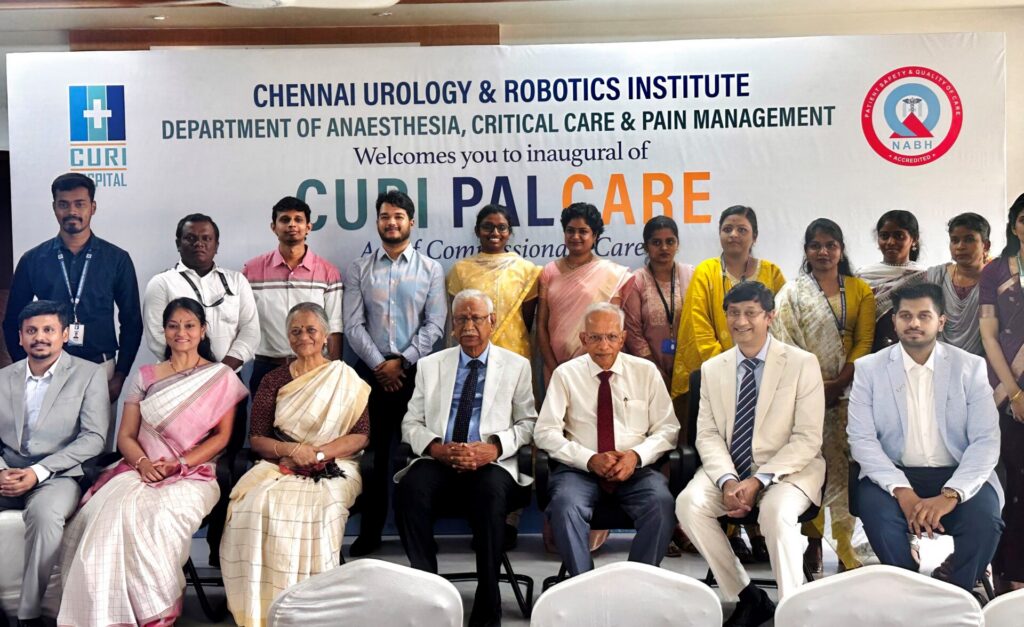
Our journey in strengthening palliative care within a private hospital is ongoing. But one insight is clear: the quality of care is not defined by how much we do, but by how well our care aligns with what matters to the patient.
Palliative care is not an alternative to good medicine—it is an essential part of it.