
In April 2026, following the Singapore Palliative Care Conference, I had the privilege of joining a scoping visit to Cambodia. I travelled with Associate Professor Ghauri Aggarwal, Chair of the Asia Pacific Hospice Palliative Care Network (APHN), and Mr Giam Cheong Leong, Executive Director of APHN, as part of APHN’s ongoing work to support palliative care development across the region.
The visit was undertaken as part of the APHN Lien Collaborative for Palliative Care, in partnership with Douleurs Sans Frontières (DSF – “Pain Without Boarders”). The purpose was to engage with the Ministry of Health, national hospitals, academic institutions, community-based organisations, and other partners to better understand the current state of palliative care in Cambodia and explore opportunities for future collaboration.
Cambodia represents both a significant need and a significant opportunity for palliative care development. Access to palliative care remains extremely limited and services are still at a very early stage. Many people are diagnosed late in the course of serious illness, particularly cancer, and there is a growing burden from ageing, chronic disease, renal disease, diabetes, and other life-limiting conditions. For many patients and families, access to specialist palliative care, essential medicines, and home-based support remains very constrained.
At the same time, what stood out clearly during the visit was the level of enthusiasm and goodwill. Across the organisations we visited, there was a genuine desire to improve care for patients and families. Clinicians, educators, policy leaders, and community organisations all recognised the need for palliative care and were open to exploring how Cambodia could strengthen its own locally led model.
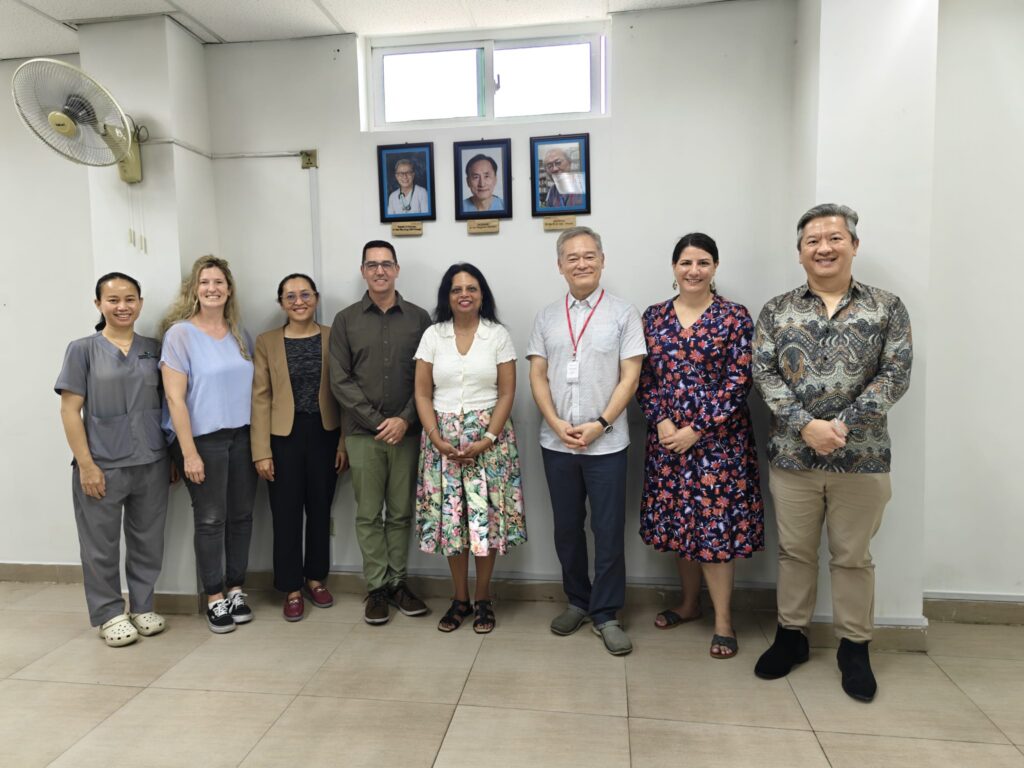
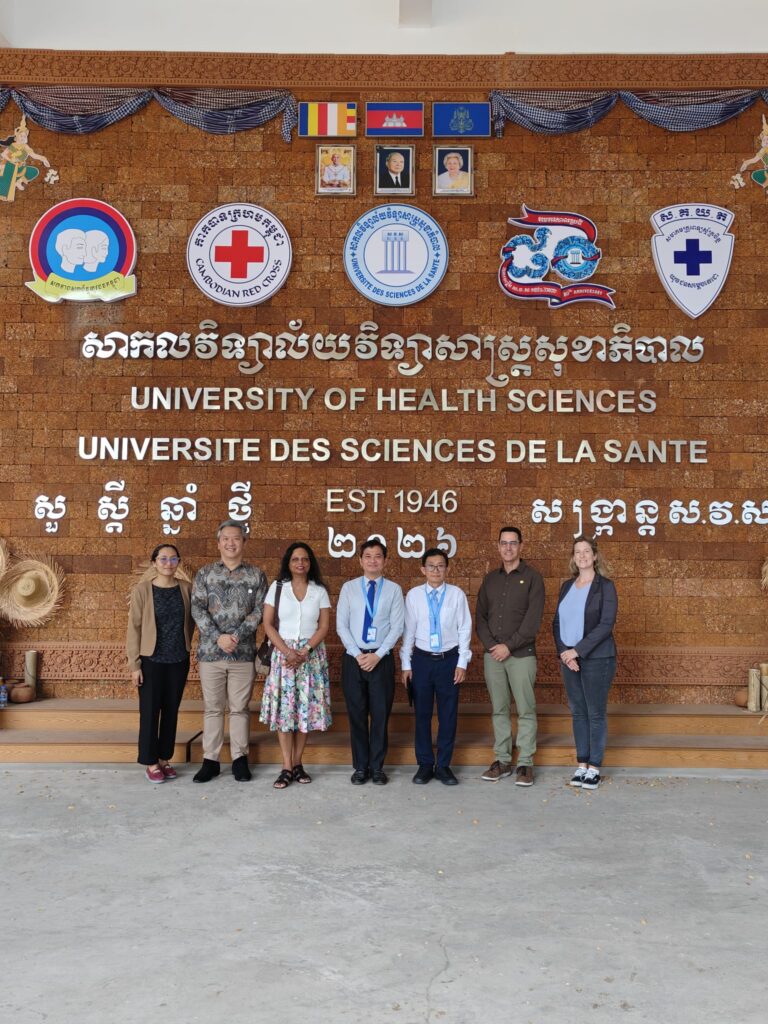
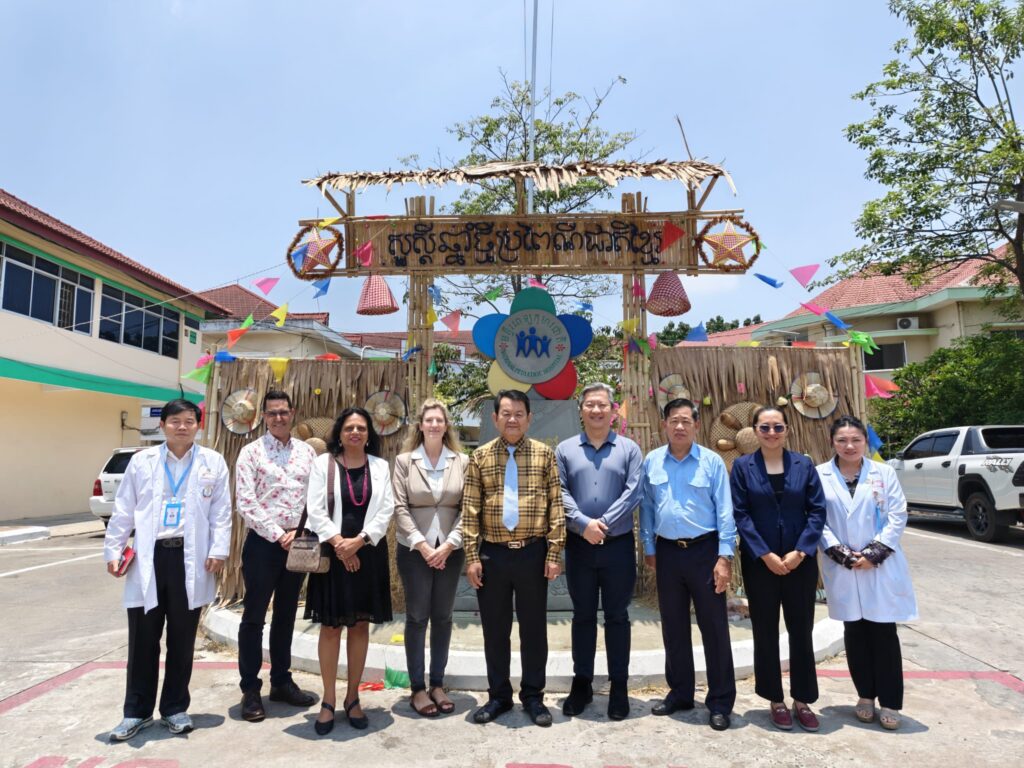
During the visit, we met with a range of executives and health professional staff from several organisations, including Calmette National Hospital, Hebron Medical Center, the University of Health Sciences, Khmer-Soviet Friendship Hospital, the National Children’s Hospital and HelpAge Cambodia.
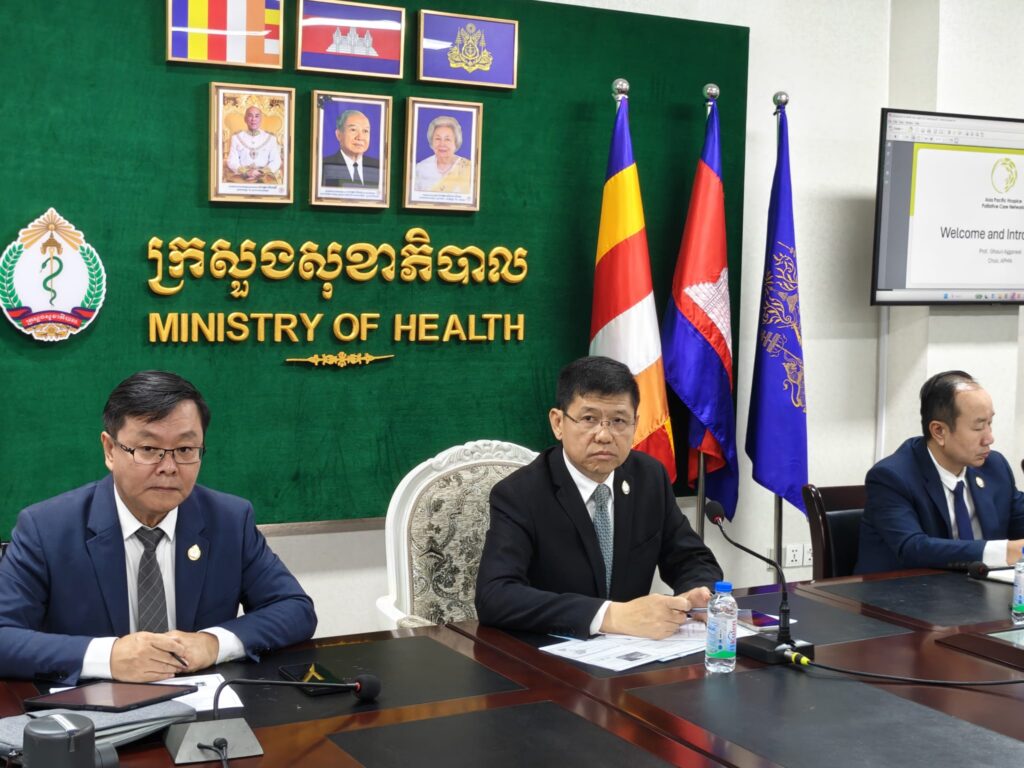
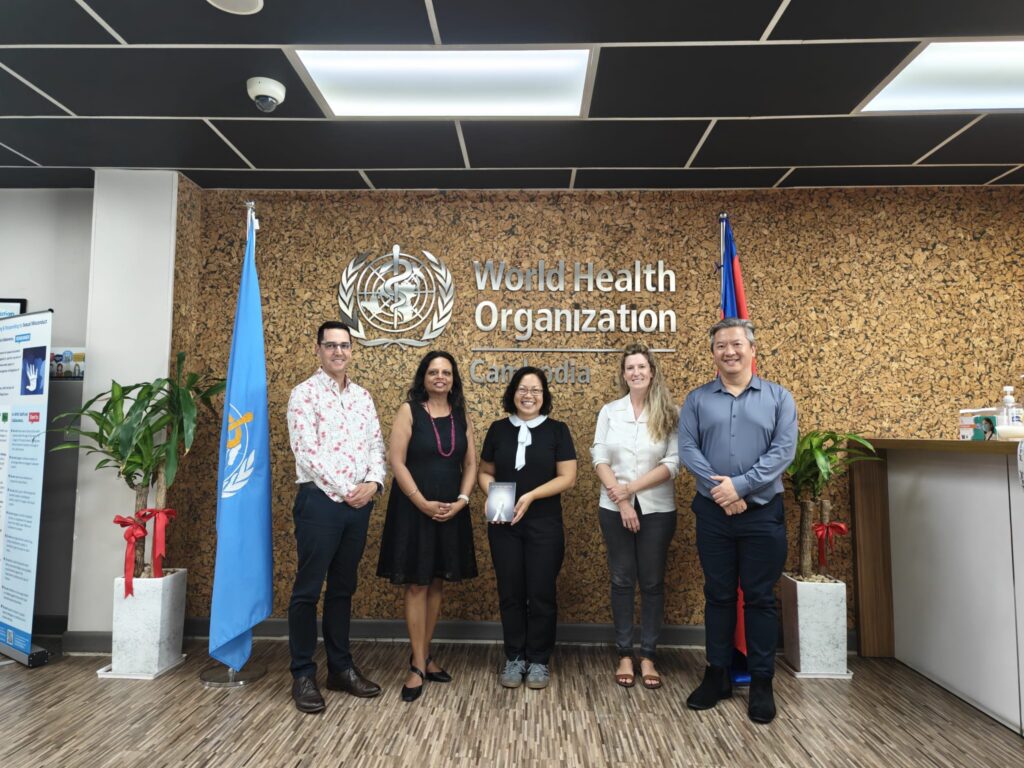
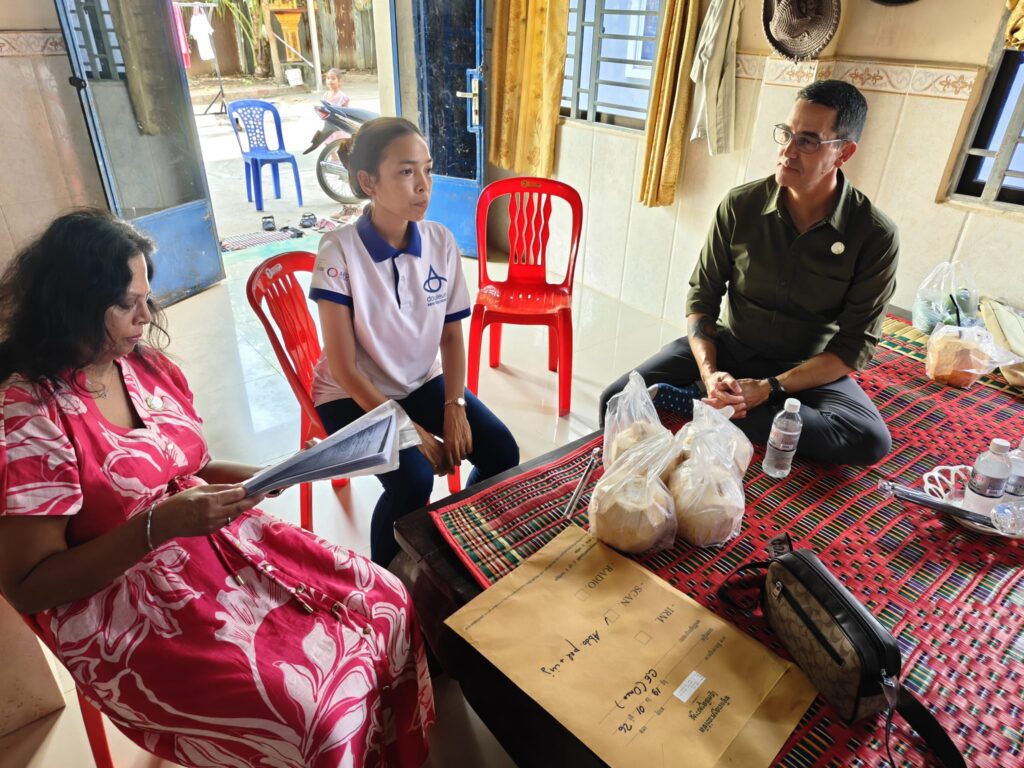
We were also able to meet with the Ministry of Health and WHO Cambodia, as well as join DSF home visiting staff for two community visits.
A recurring theme across the hospital visits was that palliative care knowledge and capability are still developing. In most settings, there was some understanding of palliative care, often linked to cancer, pain control, or end-of-life care. However, broader aspects of palliative care, including holistic assessment, interdisciplinary care, advance care planning, family support, serious illness communication, and specialist palliative care, were less well developed.
This is not unusual in an early-stage system. What it does highlight is the importance of careful, sustained capacity building. Cambodia will need a structured approach that supports local clinicians, educators, and organisations to build knowledge, skills, confidence, leadership, and teaching capability over time – exactly what the Lien Collaborative has so much experience in providing.
One of the most significant barriers identified was access to opioids and other essential medicines. Hospitals had very limited morphine options available, usually just one strength each of injectable Morphine and slow release oral Morphine. In addition, clinicians did not appear to be familiar with subcutaneous Morphine administration. Opioid prescriptions are currently limited to seven days, meaning patients need to return to hospital for further prescriptions. In a country where much of the population lives rurally, this creates a major burden for patients and families.
The issue of medicine access is not only a clinical issue. It is also a regulatory, supply chain, education, and confidence issue. Safe systems for prescribing, storage, dispensing, monitoring, and community access will be essential. At the same time, myths and fears around opioid use will need to be addressed if patients with advanced illness are to receive effective pain and symptom management.
The home visits with DSF staff were especially powerful. We visited two patients being cared for in multigenerational family homes. DSF was able to provide a wider range of medicines than is generally available in Cambodia and had established trusted relationships with families. These visits showed the importance of care being delivered where people live, surrounded by family and community.
They also highlighted the need to strengthen holistic palliative care practice. Even within an existing palliative care service, the care we observed was largely focused on pain and symptom management, and while there is attention paid to social, emotional, spiritual, and family wellbeing, it was less visible during our visits. Supporting current palliative care providers to deepen their practice would have an immediate impact and may also help develop future local trainers.
The University of Health Sciences will be a critical partner for long-term sustainability. As a major training institution for doctors, nurses, allied health professionals, pharmacists, and public health practitioners, it has the potential to shape future workforce capability across Cambodia. There is interest in undergraduate palliative care training, and potentially postgraduate and interdisciplinary education. However, there is currently very limited local teaching expertise in palliative care, so faculty development will be essential.
Community-based care will also be vital. Our discussion with HelpAge Cambodia highlighted the importance of existing village networks, Older Persons Associations, home care, and support for older people. These models align closely with compassionate community approaches being developed in many countries. There may be opportunities to adapt international learning in compassionate communities to Cambodia’s existing community structures, rather than creating entirely new systems.
The meeting with the Ministry of Health was particularly encouraging. The Secretary of State for Health demonstrated a good understanding of palliative care and strong enthusiasm for improving access, especially given the number of people diagnosed with advanced illness and the importance of dignity and compassion at the end of life. There appears to be good support for collaboration between the Lien Collaborative, the Ministry of Health, and DSF.
WHO Cambodia was also supportive and would likely be an important partner in any future programme. Alignment with non-communicable disease priorities, universal health coverage, ageing, essential medicines, and Ministry of Health priorities will be important if palliative care is to be integrated into Cambodia’s wider health system.
The visit reinforced that palliative care development requires action at multiple levels at the same time: policy, essential medicines access, education, and local leadership development. No single intervention will be enough. The opportunity is to support Cambodia to build its own palliative care system, grounded in local leadership, local priorities, and local realities.
The visit provided valuable insights for the Lien Collaborative and its partners and highlighted a number of areas where further discussion, exploration, and collaboration may be beneficial. Any future considerations will need to be guided by local priorities, stakeholder engagement, and careful planning to ensure that any support is sustainable and locally owned.
For me personally, the visit was a powerful reminder of both the challenges and the hope that exist across our region. Cambodia has significant unmet palliative care need, but it also has committed clinicians, community organisations, policy leaders, and partners who want to make a difference.
Across the Asia Pacific region, our contexts are different, but our shared commitment is the same: to ensure that people with life-limiting illness, and those who care for them, receive care that upholds dignity, relieves suffering, and supports quality of life.
The Cambodia visit was a reminder that palliative care development is both deeply practical and deeply human. It is about medicines, training, systems, and policy. But at its heart, it is about people, families, and communities being supported with compassion when it matters most.
Written by: Mr Wayne Naylor (APHN Council Member)
Photos courtesy of Mr Wayne Naylor
This project is a Lien Collaborative for Palliative Care initiative to build capacity in developing countries in Asia. The Lien Collaborative for Palliative Care was co-developed by the Asia Pacific Hospice Palliative Care Network (APHN) and the Lien Foundation.

