
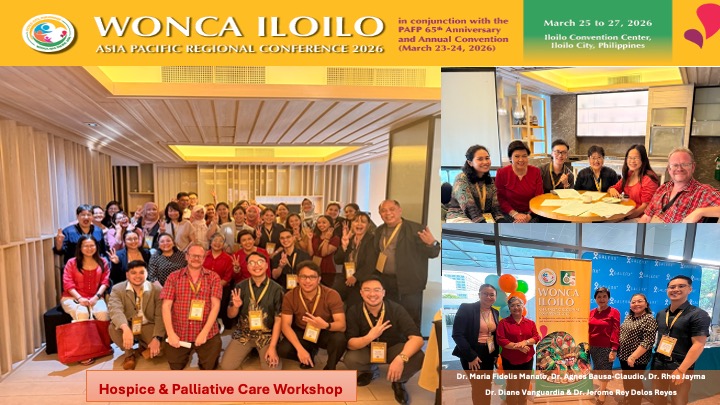
Iloilo City, Philippines — March 24, 2026 — Thirty family physicians from across Asia and the Pacific gathered at the Iloilo Convention Center for a pre-conference session of the World Organization of Family Doctors (WONCA) Asia-Pacific Regional Conference, focusing on practical skills for family physicians in dignity-conserving end-of-life care.
The group, composed largely of Filipino practitioners alongside colleagues from Myanmar, China, Indonesia, Sri Lanka, Guam, Thailand, Malaysia, and Australia, demonstrated strong engagement throughout the afternoon session, actively participating in discussions, lectures, and hands-on workshops.
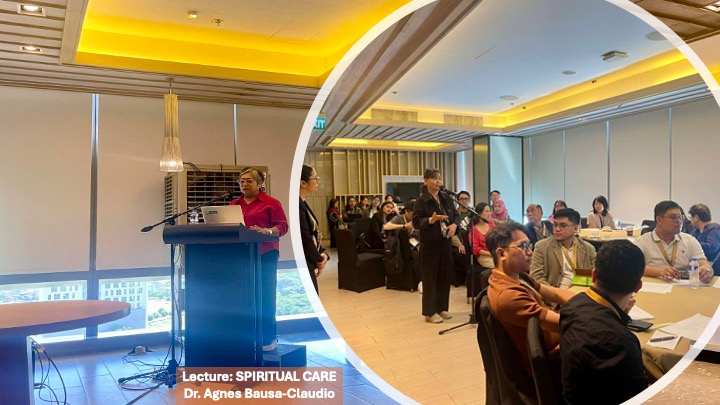
The program opened with a talk by Dr. Agnes Bausa-Claudio, titled “There Is Always Hope: The Essence of Spiritual Care.” The lecture emphasized the role of spirituality in fostering resilience and well-being among patients. Participants explored how integrating spiritual presence, active listening, and compassionate communication into clinical practice can enhance patient care, particularly in primary care and end-of-life settings. The session also highlighted the importance of collaboration with chaplains and spiritual leaders while respecting diverse cultural and religious backgrounds.
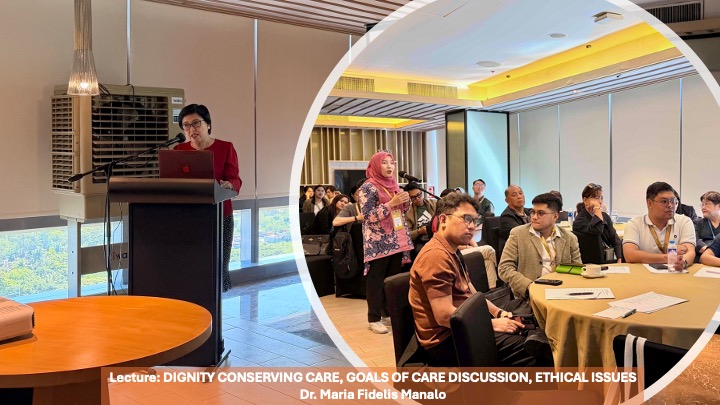
Following this, Dr. Maria Fidelis Manalo delivered a lecture on “Upholding Dignity in Final Moments: Advance Care Planning, Ethical Issues, and Culturally Sensitive Approaches to Dying.” The discussion centered on the principles of advance care planning and their role in preserving patient autonomy and dignity. Physicians examined ethical dilemmas such as withholding or withdrawing treatment and were encouraged to apply structured frameworks to navigate these complex decisions. Cultural sensitivity was underscored as a key component in delivering respectful and patient-centered end-of-life care.
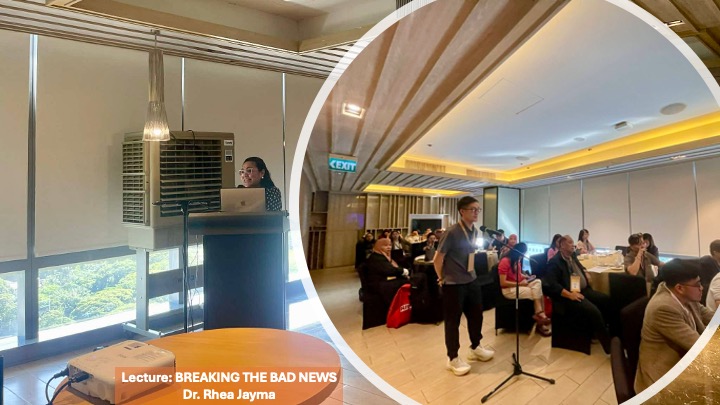
The third lecture, “Delicate Disclosure: Delivering Difficult News,” was presented by Dr. Rhea Pobre-Jayma. This session focused on the emotional and psychological aspects of communicating serious diagnoses. Participants were introduced to structured communication tools such as the SPIKES and 3Ws frameworks, designed to help physicians deliver difficult news with clarity, empathy, and professionalism while supporting patients and their families through decision-making processes.
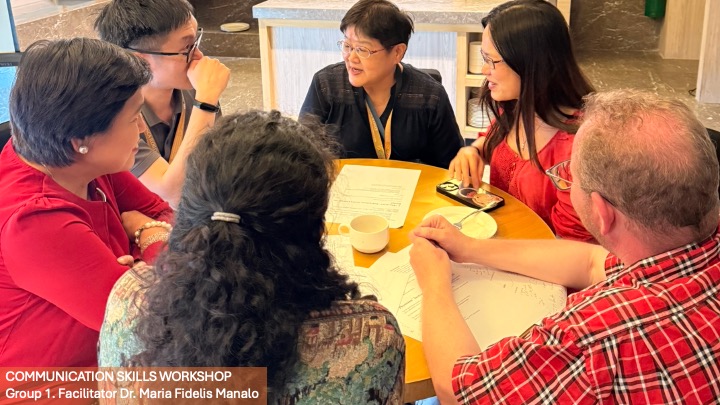
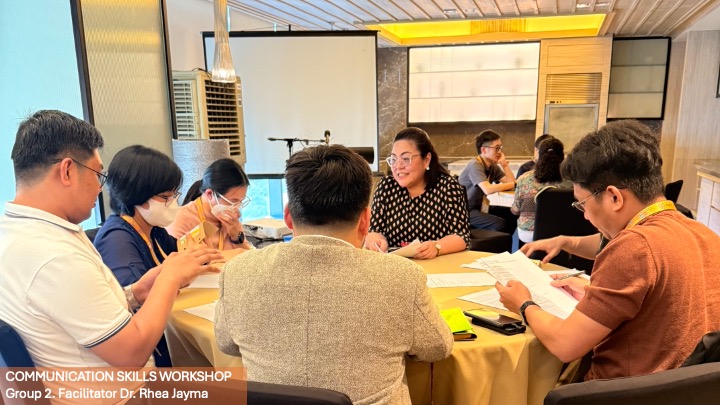
The afternoon concluded with an interactive workshop on communication skills for serious illness conversations. Participants were divided into small groups to work through realistic case scenarios. One case involved delivering a breast cancer diagnosis to a middle-aged patient using the SPIKES protocol, while another focused on navigating a goals-of-care discussion with an elderly patient with advanced chronic obstructive pulmonary disease (COPD), utilizing the REMAP framework.
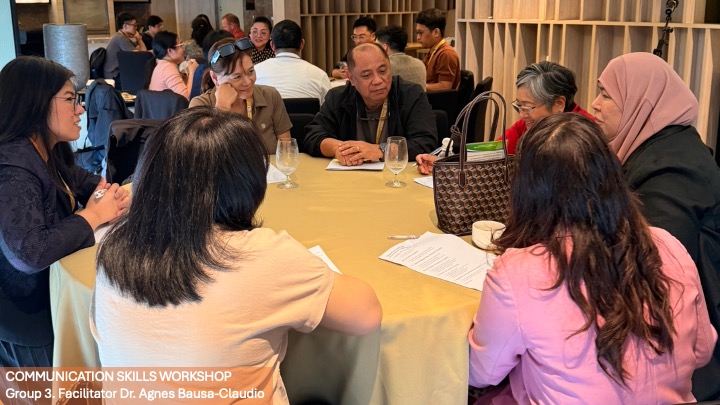
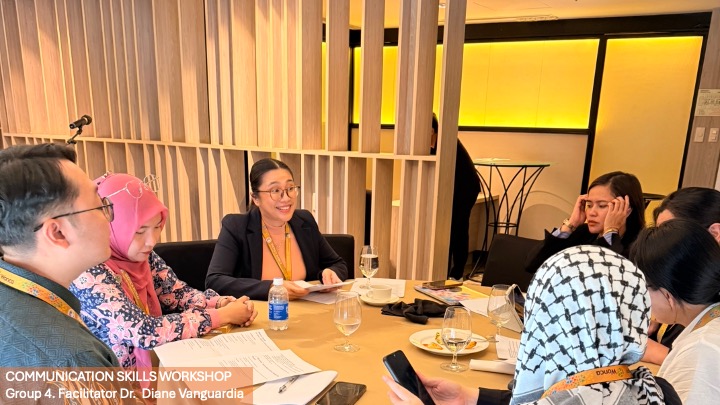
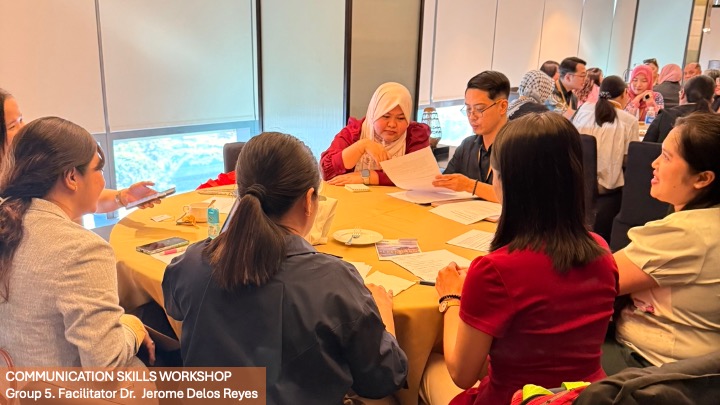
The workshop provided a safe environment for physicians to practice empathic communication, address family dynamics, and uphold patient autonomy in challenging situations. Facilitators noted the high level of participation and reflection among attendees, underscoring the relevance of these skills in everyday clinical practice.
Organizers described the session as a meaningful start to the broader WONCA conference, reinforcing the critical role of communication, ethics, and spirituality in delivering holistic, patient-centered care.
Written by: Dr. Maria Fidelis Manalo, MSc., Head, Section of Supportive Oncology & Palliative Care, Augusto P. Sarmiento Cancer Institute, The Medical City, Ortigas, Pasig, Philippines