

The Mongolian Palliative Care Society (MPCS) was established in 2000, and with support from the Open Society Institute (OSI), we translated three WHO books on palliative care into Mongolian. One of these was Palliative Care for Children. For 10 years, MPCS worked to develop palliative care for adults, primarily for cancer patients. As a result, 10 beds were opened at the National Cancer Center, and 3–5 palliative care beds for cancer patients were established in all 21 regional hospitals of Mongolia and in all 9 district hospitals in the capital, Ulaanbaatar.

However, children in need of palliative care had no dedicated treatment beds. Therefore, in 2010, I conducted a two-day course on pediatric palliative care for all doctors at the National Center for Maternal and Child Health (NCMCH), delivering 10 hours of lectures.

In 2012 and 2014, MPCS organized the first conferences on the development of pediatric palliative care in Mongolia, with the participation of the Ministry of Health (MoH), MoH officers, the WHO representative in Mongolia, the National Center for Maternal and Child Health (NCMCH), and pediatricians from the provinces and districts. MPCS members gave presentations on the development of pediatric palliative care, and we organized small-group discussions during the conference, where each group discussed the reasons for, and methods of, developing pediatric palliative care.
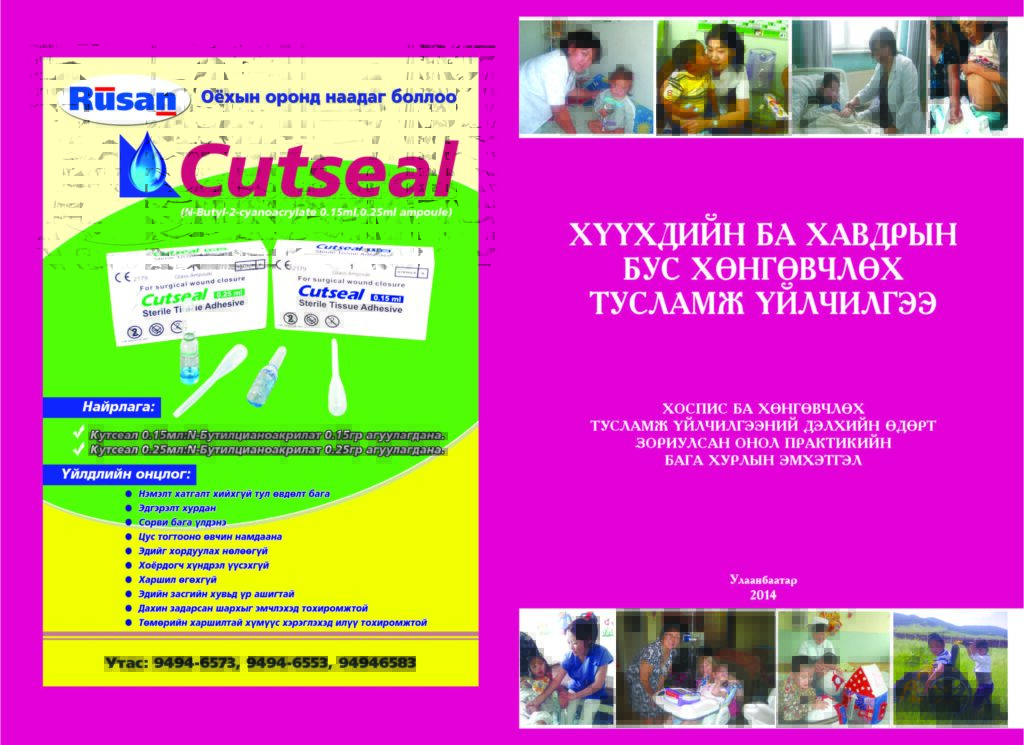
All presentations were published as a book.
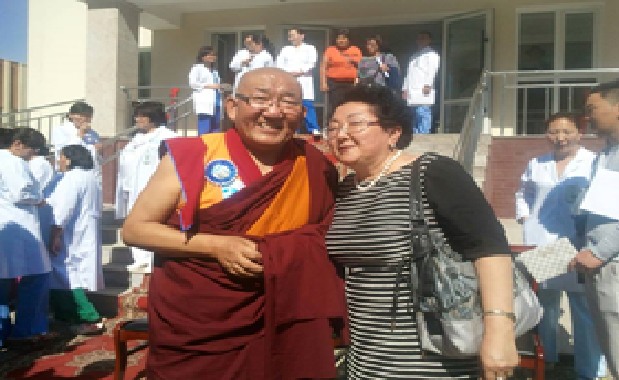
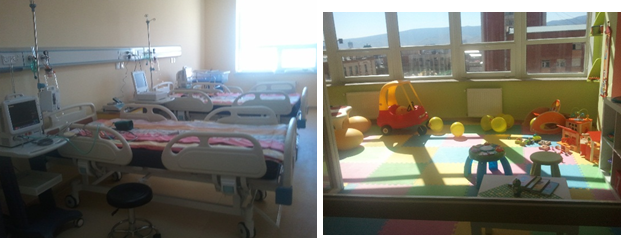
In 2014, with financial support from Mongolian monk Ajia Gegeen, a five-story building was constructed near the NCMCH for pediatric oncology, hematology, and palliative care. The building was officially handed over to the NCMCH in 2015, and a five-bed pediatric palliative care unit still operates there today.
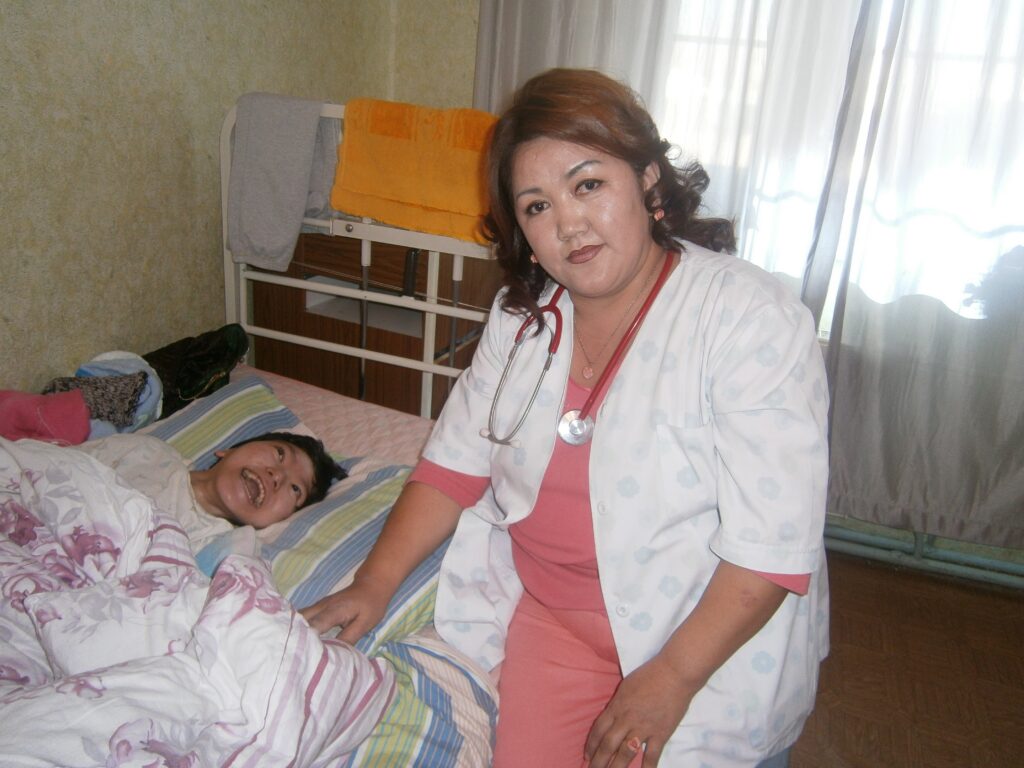
In 2024, I organized a course to train national trainers in pediatric palliative care. Participants included pediatric intensive care specialists, pediatric neurologists, pediatric oncologists, and pediatric hematologists from the NCMCH. During the five-day course, I also organized bedside training and worked through clinical problems with participants. Following the course, the national trainers completed a month of practical training at Hope Hospice under Dr. Burenjargal B. As a pediatrician and palliative care doctor, she treated children in need of palliative care at Hope Hospice, funded by citizens’ charitable donations, from 2012 to 2016.
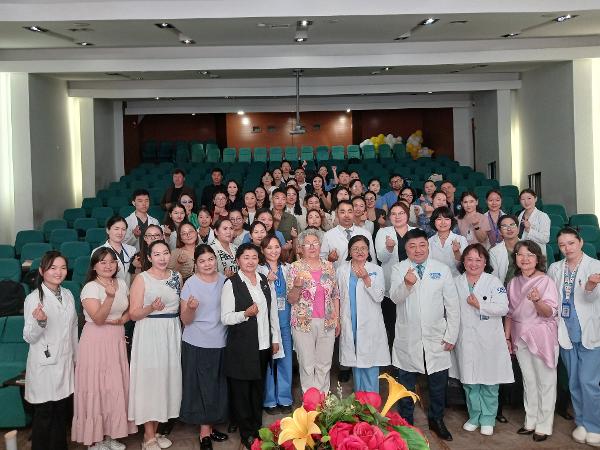
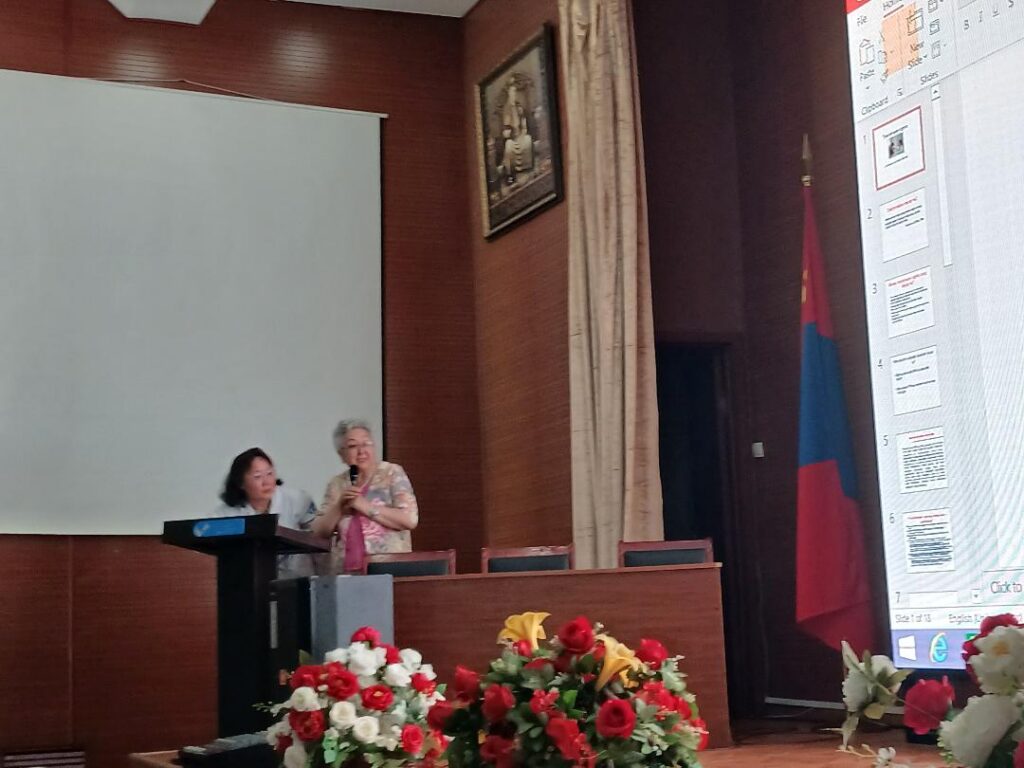
On June 30, 2026, the Center for Maternal and Child Health, with financial support from WHO, organized a one-day course to train pediatricians and family doctors from the regions and districts in pediatric palliative care. Our national trainers, including myself, gave lectures on pediatric palliative care so that district and regional doctors could provide palliative care to children — or at least refer them to specialists. I am very proud of our national trainers in pediatric palliative care for their excellent lectures, and I wish them continued success in improving the quality of life of children in need of palliative care.
Written by: Odontuya Davaasuren, MD, PhD, Prof., President of MPCS

