
Celebrating our graduates, strengthening partnerships and learning together in Timor-Leste
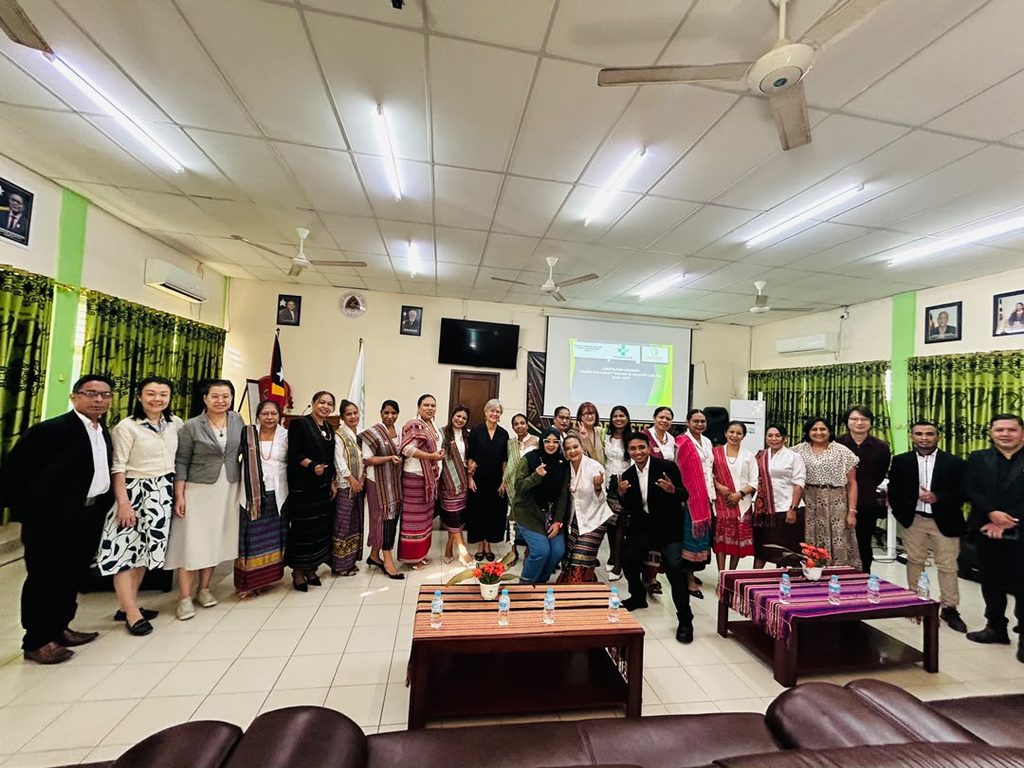
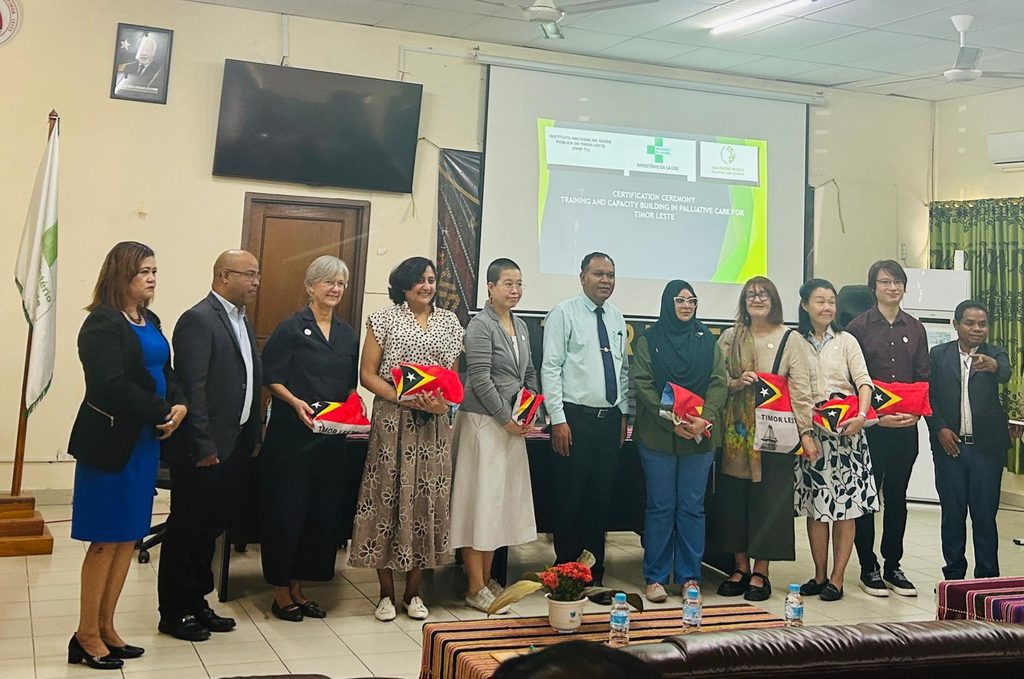
The recent visit to Timor-Leste meaningfully continued the partnership between the Asia Pacific Hospice Palliative Care Network (APHN) and our Timorese colleagues. The visit was especially significant as we returned to celebrate the graduation of our Timorese participants and reconnect with some of the graduates in their workplaces in Lahane, Maliana & Suai.
The graduation was more than just a ceremony. It marked the completion of an important learning journey for a group of committed healthcare professionals who had invested their time and energy in developing their knowledge and skills in palliative care.
It was a proud moment for everyone involved and a reminder that education is only the beginning. The real impact comes when they bring that knowledge back to the workplace and translate it into meaningful care for patients and their families.
From the Classroom to Lahane
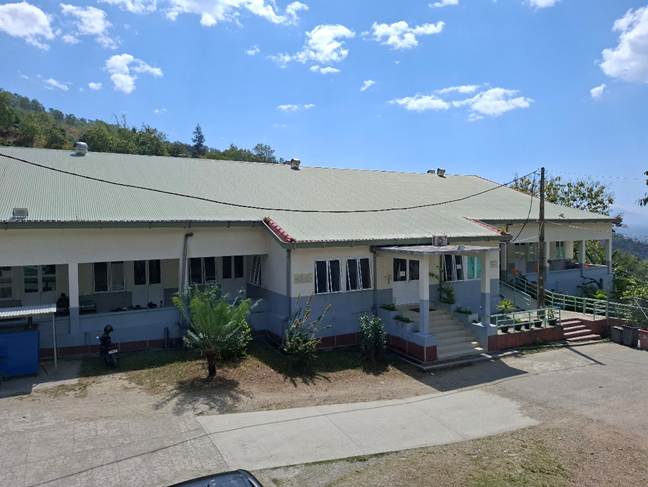
During the visit to Lahane Hospital, we had the opportunity to see how learning could be brought into practice.
Lahane is a unique and beautiful place, with its simple one-story hospital setting and strong sense of community. Time spent with the nurses gave us the opportunity to learn more about their work and the realities of providing care in their setting.
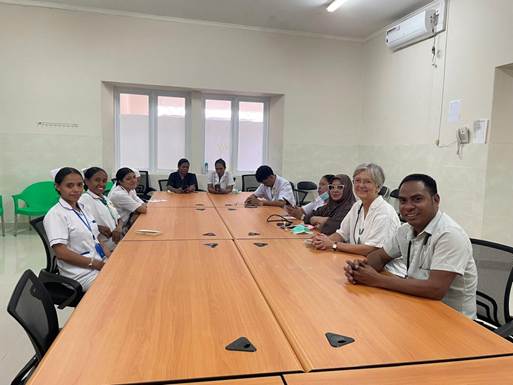
The conversations were very much a two-way exchange. We shared some of our experiences in palliative and hospice care, while the nurses were also interested in learning about the resources available to us and how we manage complex wounds and other clinical challenges across different clinical settings.
These exchanges were humbling. They reminded us that meaningful learning does not always come from having more resources or specialized services. It can also come from seeing how colleagues work creatively and compassionately with the resources available to them.
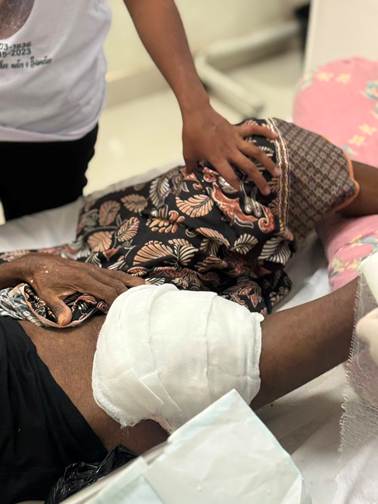
Continuing the Journey to Maliana
From Lahane, the journey continued to Maliana Referral Hospital, where we met with some of the graduates and followed up on their progress.
Returning to see the graduates in their own work environment brought the program’s purpose to life. It was encouraging to see how the knowledge and confidence gained through the training were being carried forward into their practice.
The visit also gave us the opportunity to listen — to understand their experiences, challenges and hopes, and to consider how future training and mentorship could better support them.
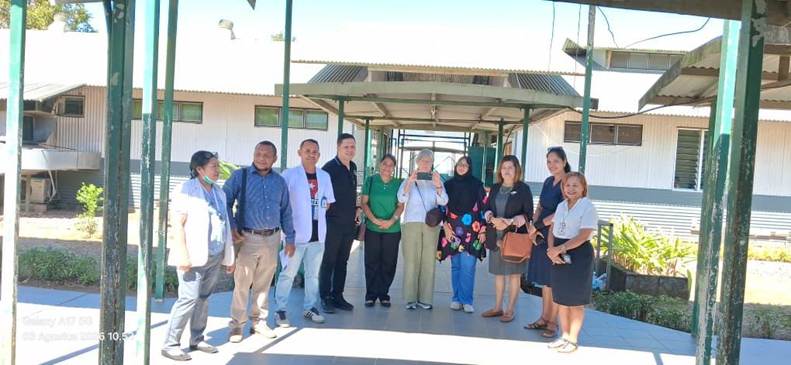
Visit to Suai
A visit was made to Suai Referral Hospital where discussions were held with key leaders to advocate for palliative care integration from hospital to home. It was heartening to see our graduate advocates for the mission of palliative care so confidently and passionately!
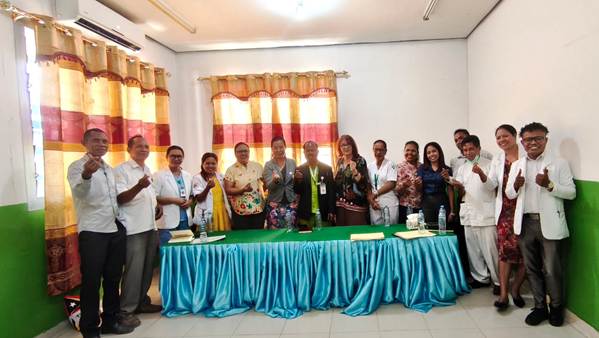
The visit to Suai also allowed us the privilege of meeting key community palliative care partners from St Paul clinic who worked closely with our graduates to ensure continuity of care after patients were discharged home. A Tetum word ‘Hamutuk’ which means ‘together’ describes the palliative care community in Suai, where hospital and community practitioners work closely serving patients together.
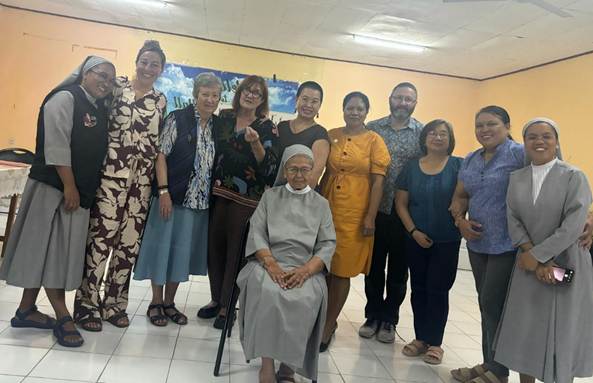
Learning Beyond Borders
One of the most meaningful parts of the visit was the opportunity to learn from one another.
Palliative care may look different across countries and healthcare systems, but the fundamental goal remains the same: to relieve suffering, support families and provide care that respects the person behind the illness.
The experience in Timor-Leste reinforced an important lesson: partnership is not about one side teaching while the other receives. It is about walking alongside one another, sharing experiences and building capacity together.
As we celebrated our graduates’ achievements, we were also reminded that graduation is not an ending. It is the beginning of their continued contribution to palliative care in their communities.
We look forward to strengthening these connections, supporting our Timorese colleagues and continuing this journey together.
Congratulations once again to our Timorese graduates, and thank you for welcoming us into your workplaces, your communities and your journey in palliative care.
The spirit of Hamutuk — togetherness in palliative care — is captured in the following poem:
Heartbeats woven together with tears
Light and darkness intertwine
The sea breathes and knits us together
The tides come in, then subside
One step at a time -persevering
Leaving footprints in the sand
We climb Tatamailau alongside the suffering
Bringing comfort to wounded places
Praying in this deep sadness -that we know so well
As strands of grief weave into our Tais*
Hamutuk -we will bring comfort
Hamutuk -we persevere
Hamutuk – many hands joined together
In this sacred space of palliative care
*Tais — traditional hand‑woven textiles of Timor‑Leste, symbolizing heritage and togetherness.
Written by Ms Nur Hamizah Salim, Palliative Care Nurse at HCA Hospice Care (Singapore) & Dr Ann Toh Ying Pin, Principal Resident Physician, HCA Hospice Care (Singapore)
This project is a Lien Collaborative for Palliative Care initiative to build capacity in developing countries in Asia. The Lien Collaborative for Palliative Care was co-developed by the Asia Pacific Hospice Palliative Care Network (APHN) and the Lien Foundation.

