
Dear Timor,
I am back again.
It has only been seven months, yet somehow, you already feel different.
You finally joined ASEAN. Congratulations.
I saw the International Convention Centre and Timor Marina Square under construction, while much of the beachfront has changed with restaurants and coffee houses replaced by land expansion. With roads being rebuilt throughout the city, there is a constant sense of noise, dust, and development. It feels as though you are growing right before my eyes.
But when I looked around, I realized something.
The greatest changes I saw were never your buildings.
They were always your people.
The first time I came to your homeland as part of the APHN teaching team, I arrived curious. I left feeling grateful, humble, and with a new sense of purpose.
That journey was never just about introducing palliative care. It became a surprising lesson in learning about the history, politics, and struggles of one of the world’s youngest nations. Your lively culture and rich traditions have faced great hardship, yet your story holds a clear hope for growth and progress.
Walking through your hospitals, I saw patient-centered, family-focused care in its natural form. The facilities were far from ideal, yet families naturally became caregivers, providing bedside nursing care with great devotion and love. It challenged everything I thought I knew about caregiving. It reminded me that compassion has never depended on resources.
One of the greatest privileges was serving, even briefly, as a “pediatric nurse” with Dr. Ann Toh and Nurse Joan Ryan. Caring for children taught me a new language—one of patience, creativity, and presence. Every child carried a different world inside them, and every encounter reminded me that healing often begins long before medicine. Despite the losses and challenges we faced, every moment felt like finding a child’s strength and spirit again.
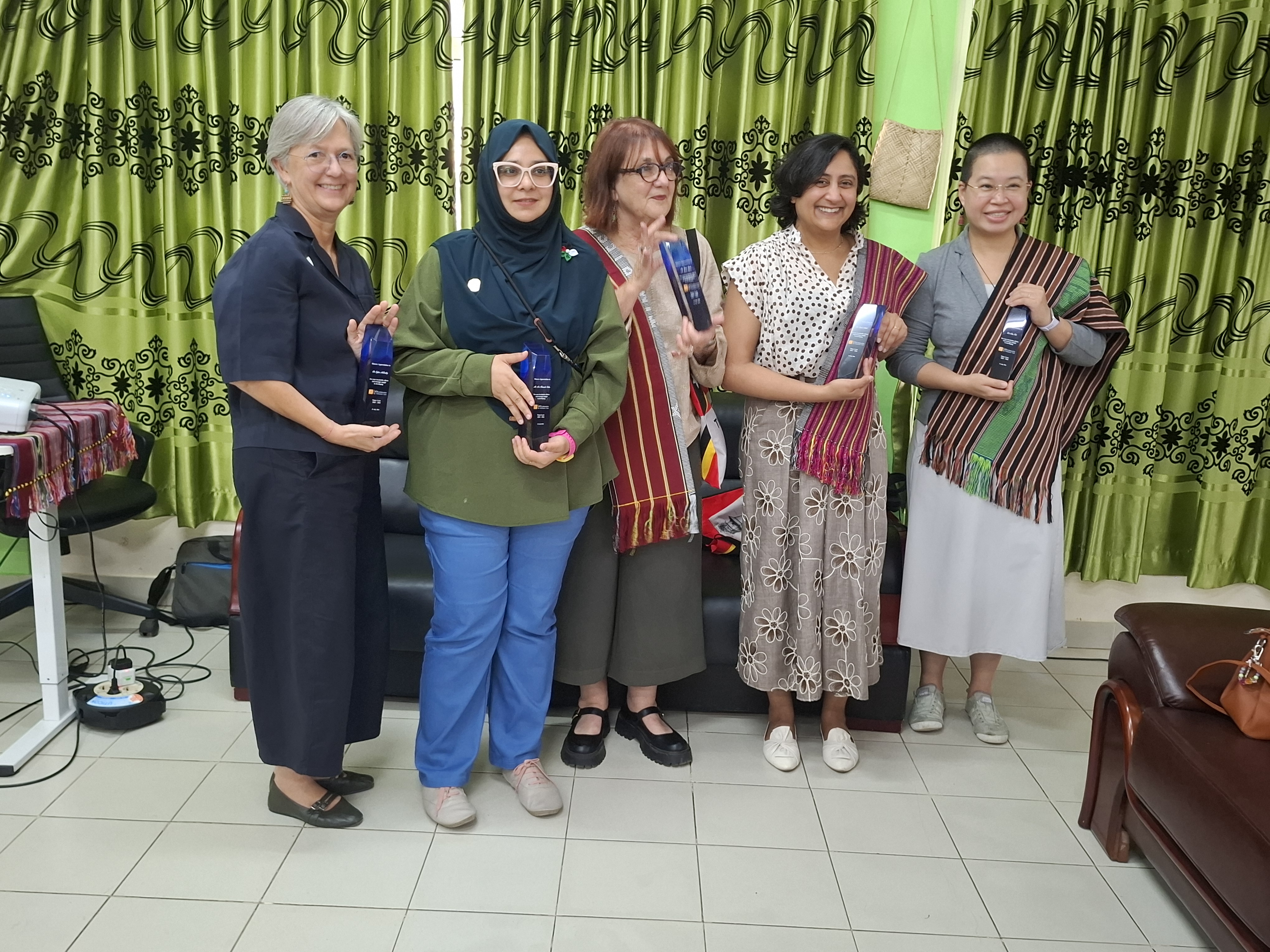
The APHN faculty Spice Girls inspired me, too. (Yes, you – Dr Sylvia, Dr Dipti, Dr Ann, Nurse Rachel & Nurse Joan)
Watching them talk about policy, advocacy, and national plans during our nightly debriefs often left me wrestling with impostor syndrome. There I was—a daycare manager who thought I had come to teach and translate. But I slowly realized I was learning something much bigger.
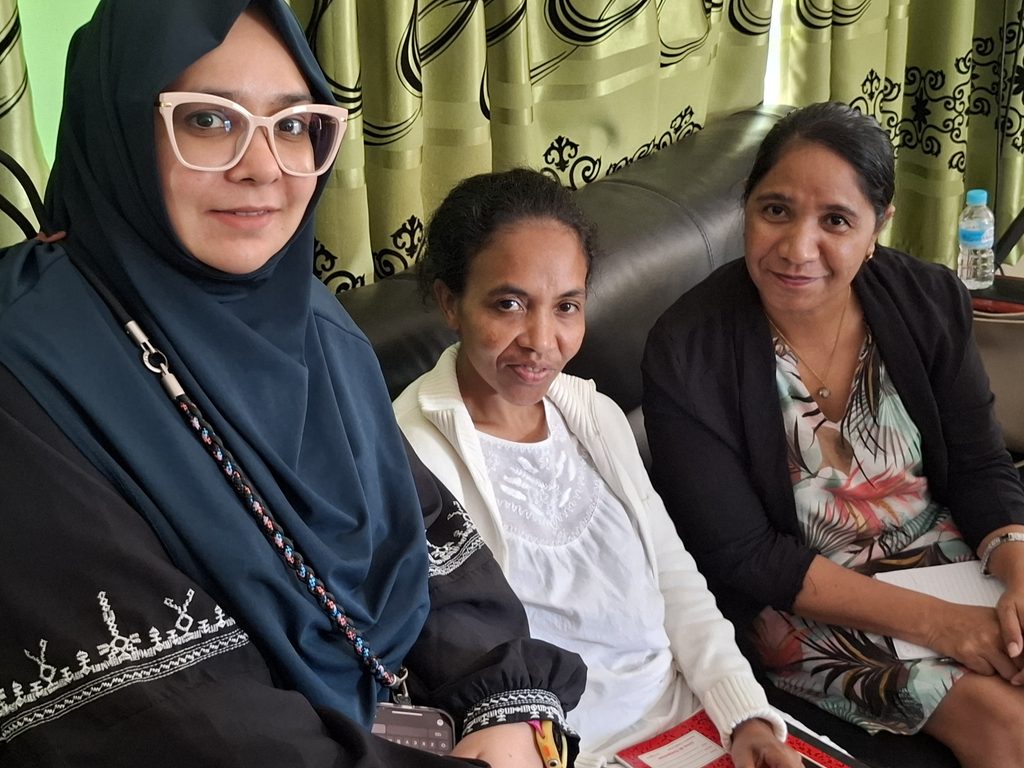
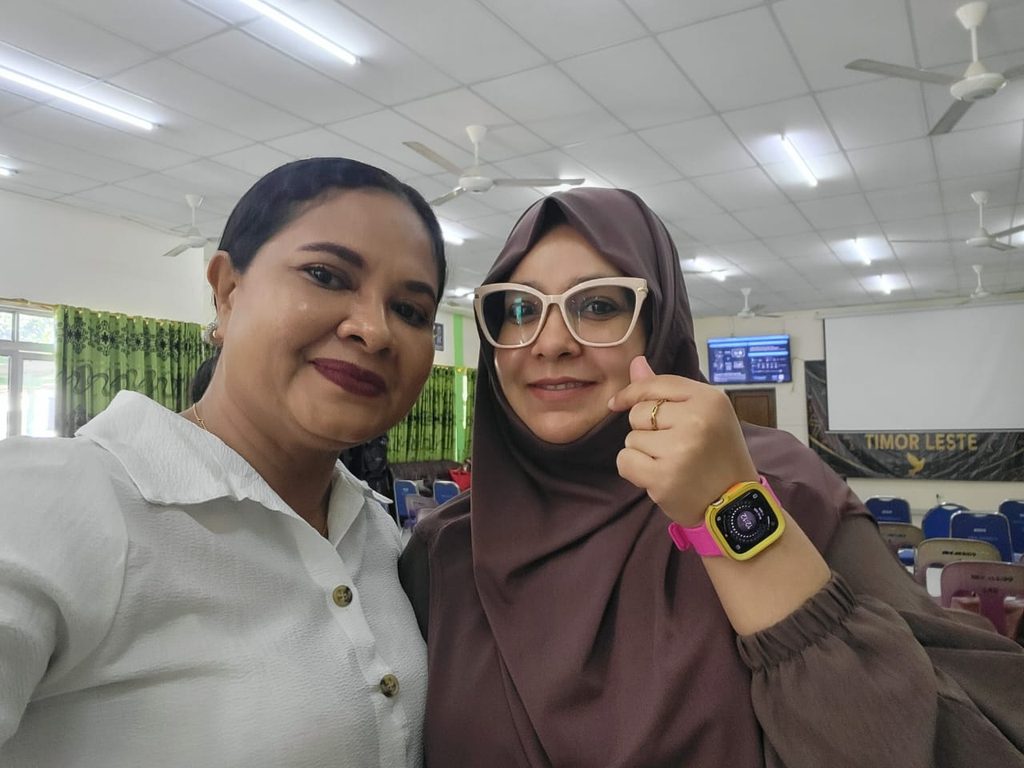
I was learning that none of us work in silos.
Every lesson, every conversation, every small act of service leads to a much larger movement.
Coming from Singapore, where access to healthcare is often taken for granted, my time with you dismantled many assumptions. I no longer wondered if Timor-Leste was ready for palliative care.
Instead, I found myself asking a different question.
If access to healthcare is a basic human right, why do we still ask if people deserve access to palliative care?
That question has remained with me ever since.
This time, however, I returned carrying a different feeling.
Pride.
Pride for our participants.
Over the past three years, they have grown from quiet learners into confident educators.
They planned and led a two-day workshop, presenting to nearly twenty healthcare professionals. The APHN faculty carefully reviewed every presentation, while the audience asked thoughtful questions, gave helpful feedback, and offered encouragement.
Watching them stand confidently at the front of the room, I realized they had found their own voices.
Together, we imagined what the future of palliative care could look like in Timor-Leste.
Their optimism was never blind optimism. It was grounded in reality.
They acknowledged the challenges but continued to dream anyway.
They spoke about advocacy.
They spoke about building stronger internal and external partnerships.
They spoke about setting up a national palliative care association.
Most importantly, they spoke with ownership.
I hope your leaders hear these dreams, Timor.
Because these healthcare professionals love your people.
They are committed to this movement.
They will continue showing up, even when the journey is difficult.
And I admire them deeply.
I admire their courage.
I admire their resilience.
I admire their determination to keep learning despite every obstacle placed before them.
Little did I know that even their journey to Dili had not been easy.
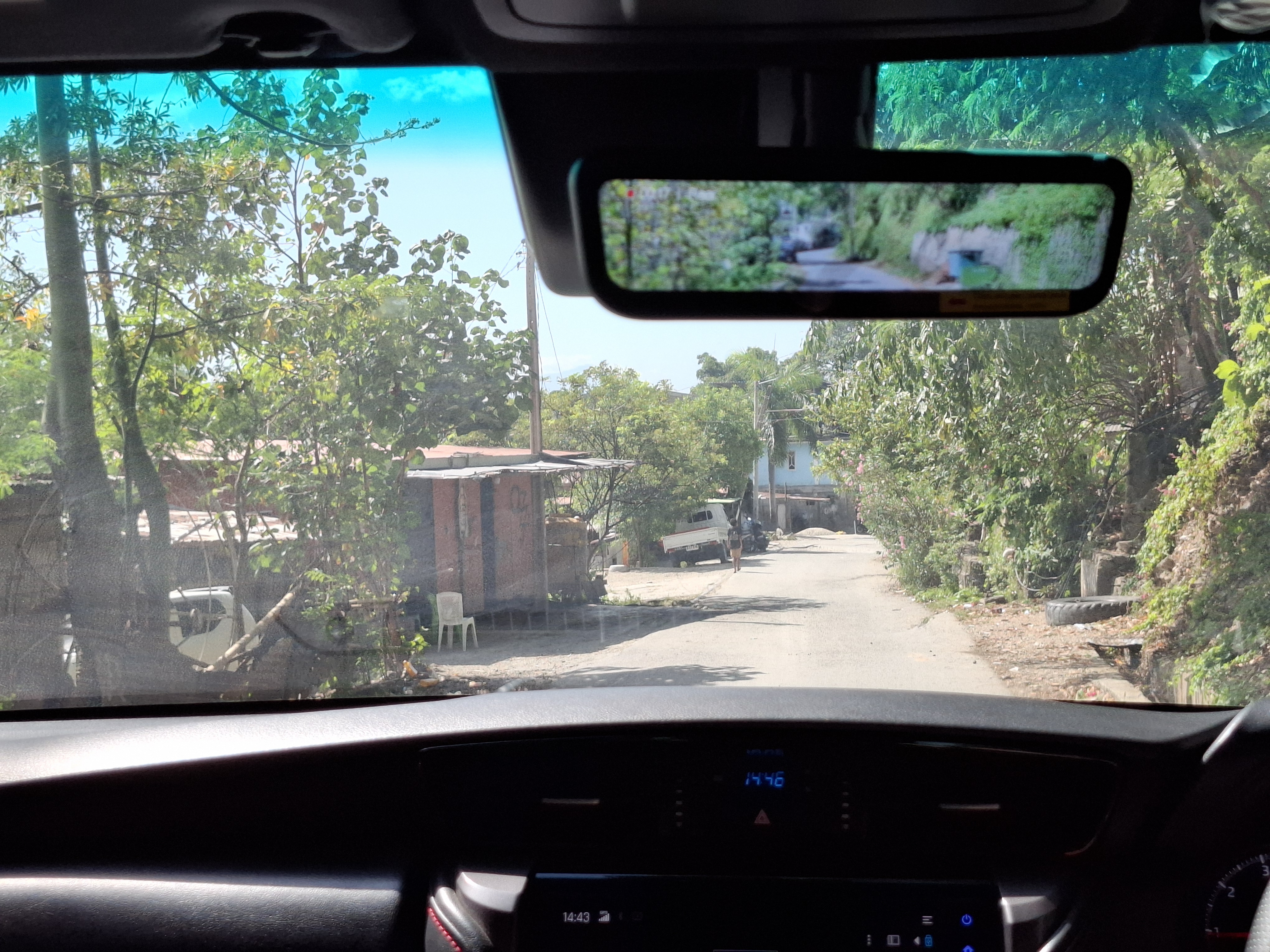
I was privileged to visit Maliana Referral Hospital together with Dr Sylvia, Dr Nilton & his team.
After three hours on winding, uneven roads, bouncing through rough terrain, I found myself asking a simple question.
What keeps them motivated to attend our training?
The answer became obvious.
Purpose.
Many had travelled for hours on motorbikes from distant towns, enduring exhausting roads to bring palliative care knowledge back to their own communities.
They came not for certificates.
Not for promotions.
Not for recognition.
They came because someone back home would one day need what they had learned.
That humbled me.
So, Timor, I hope your leaders and hospital management continue to support them.
Hold their hands as they begin this work.
Give them opportunities to practice what they have learned—in hospitals, health posts, and communities.
Because passion alone cannot build palliative care.
It needs leadership.
It needs mentorship.
It needs trust.
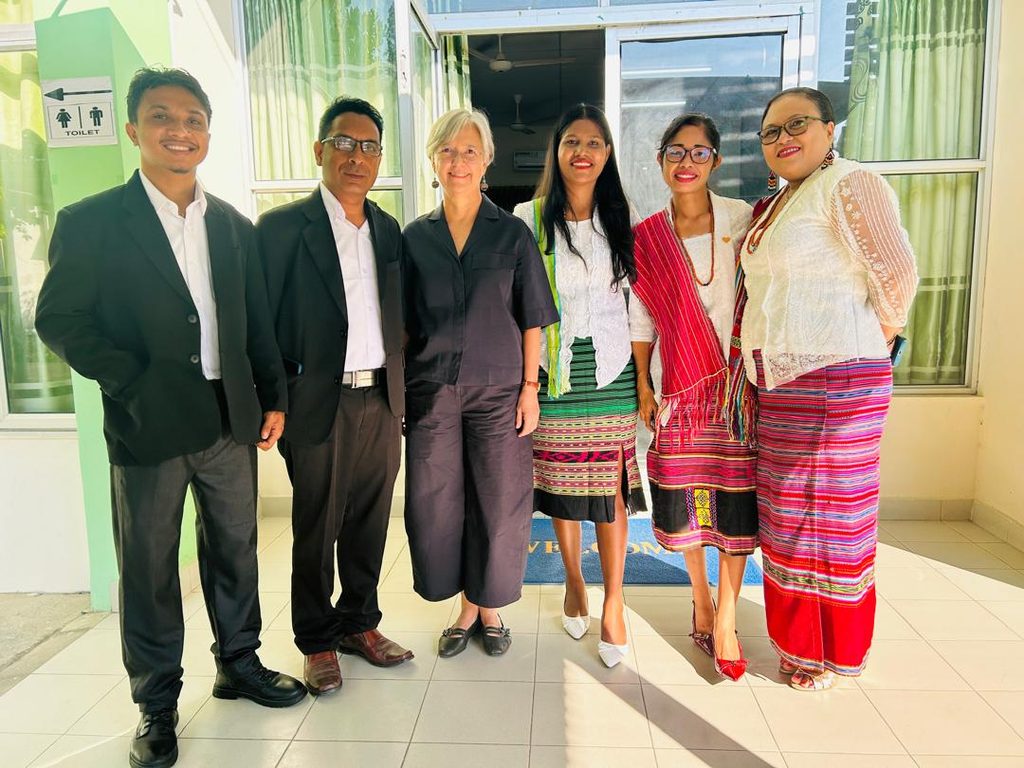
We also had the privilege of meeting several hospital directors.
They spoke proudly about their graduates.
But pride alone is not enough.
Graduates cannot create change if they are not empowered to do the work they have been trained to do.
You know what I mean.
As my mentor (Liese Groot-Alberts) once advised before my first visit, I came with open eyes, open ears, and an open heart.
I leave once again with all three still open.
That is what you have taught me the most.
Palliative care is never simply about symptom management.
It is about people.
It is about dignity.
It is about advocacy.
It is about believing in a future that has not yet fully arrived and choosing to build it anyway.
Our APHN training may have concluded.
But somehow, it does not feel like goodbye.
I think you need more than a three-year partnership.
Perhaps what you need is more time.
More conversations.
More mentorship.
More people willing to believe that palliative care belongs here.
“Every relationship starts with hello”
She always starts with hello.
And somehow, that hello opens a conversation.
The conversation opens another door.
One conversation leads to another; before you know, connections are made, ideas are exchanged, and something much bigger takes shape.
This is what I see Nurse Joan do.
She starts with hello. She starts small; she starts with people.
And somehow those little hellos stayed with me.
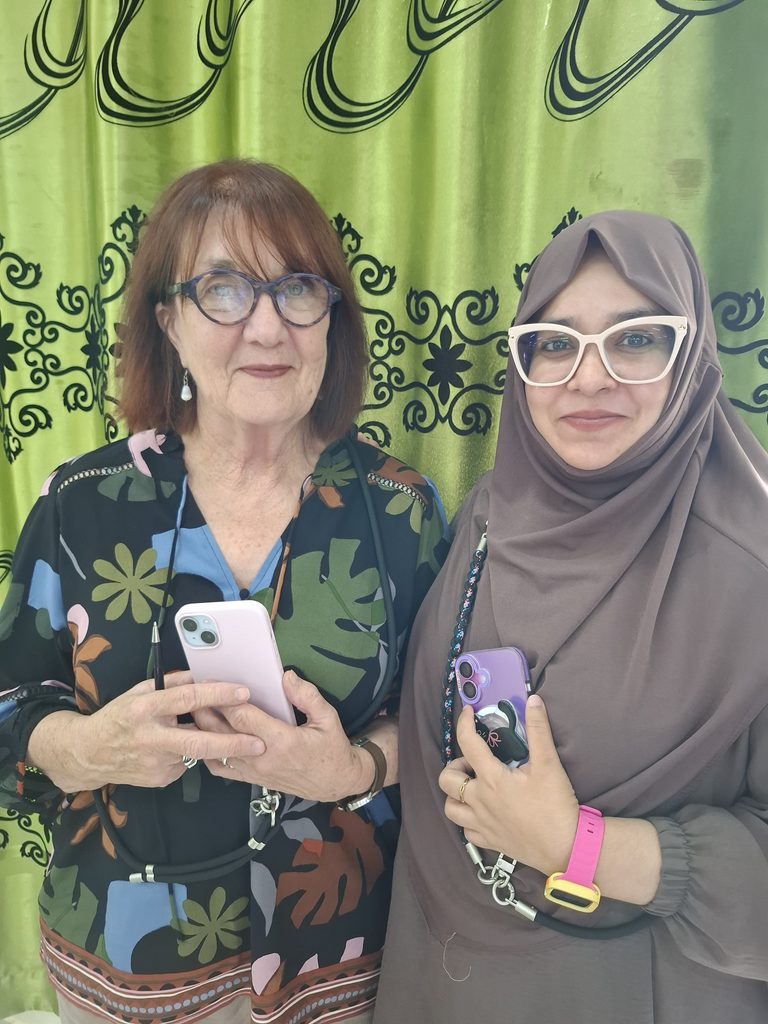
We often think big changes happen with big ideas, a big plan, or a big organization.
But it may start with something much simpler. One hello. One conversation. One visit and then another.
Then, conversation became relationship, relationship became partnerships, and partnerships became something bigger than any one of us.
Perhaps our Journey in Timor started that way too…
Before I say goodbye, there are people without whom this story would never have been written.
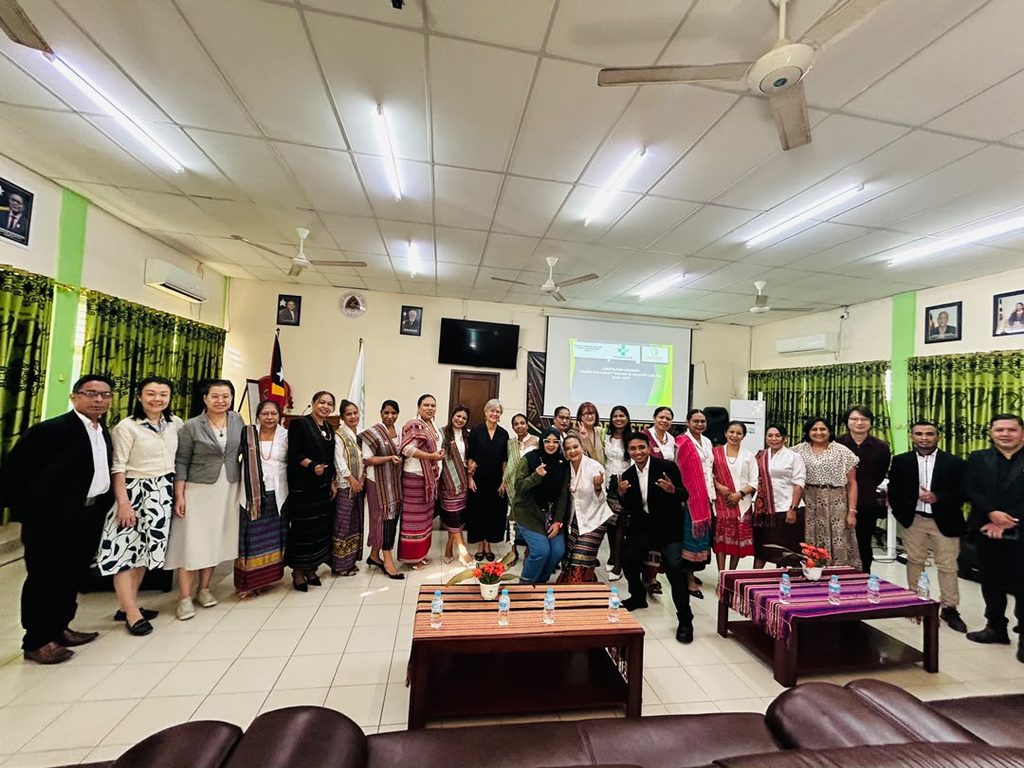
To the APHN faculty—Dr. Ann Toh, Dr. Sylvia, Dr. Dipti, Nurse Joan Ryan, Nurse Rachel Stephen, Cheyenne, and Tah Nern—thank you for trusting me with this opportunity. Thank you for welcoming me into a team that challenged me intellectually and inspired me professionally. It reminded me that serious work can still be filled with laughter. Every trip has been an education, not only in palliative care, but also in humility, advocacy, friendship, and purpose. Thank you for making this journey possible and memorable.
To our Timor-Leste palliative care partners—Dr. Mingota, Dr. Nilton, Dr. Eugenio and Team—thank you for opening your doors and your hearts to us. Thank you for believing that palliative care has a place in Timor-Leste and for walking alongside us over these past three years. Partnerships like these are built on trust, mutual respect, and a shared vision, and I am deeply grateful to have witnessed that.
And finally, to every participant who chose to attend our training.
Thank you.
Thank you for traveling long distances, sacrificing your time, asking difficult questions, challenging ideas, and continuing to learn despite the many demands of your work.
People often thank the faculty for teaching.
But the truth is, who are we without our participants? Who are we training if no learners are willing to show up?
You gave meaning to every lecture we prepared, every discussion we facilitated, and every kilometre we travelled.
More importantly, you gave us hope.
Because every participant represents another community, another family, another patient who may one day receive compassionate palliative care because you chose to keep learning.
For that, I am deeply grateful.
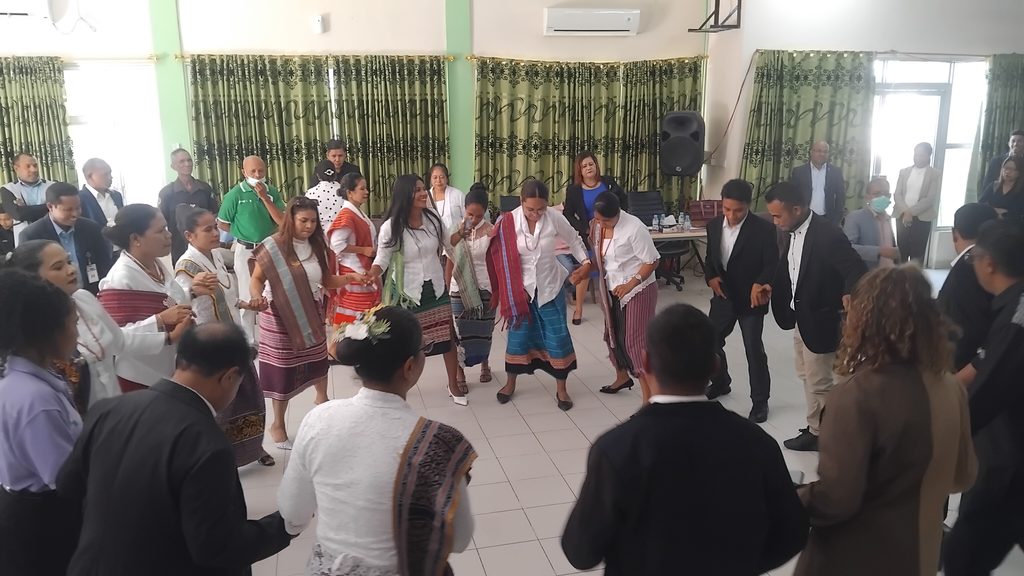
During graduation, we danced together.
As Dr Ann rightly observed…At first, we held each other’s hands and learned the steps.
Slowly, we found the rhythm.
Eventually, we reached a moment when we could let go, trusting one another to keep dancing.
That is what true partnerships look like.
Holding on when support is needed.
Stepping back when confidence has grown.
Trusting that the dance will continue long after the music changes.
The first time I left you, I wrote that every step forward proves your strength and the promise of a brighter future.
Today, I believe that even more.
Because your future is no longer just a promise.
It has faces.
It has names.
It has voices.
It has people who are quietly choosing, every single day, to build palliative care for their communities.
Good night, Timor
We’ll dance again, Insya Allah.
— Mizah
Written by Ms Nur Hamizah Salim, Palliative Care Nurse at HCA Hospice Care (Singapore)
This project is a Lien Collaborative for Palliative Care initiative to build capacity in developing countries in Asia. The Lien Collaborative for Palliative Care was co-developed by the Asia Pacific Hospice Palliative Care Network (APHN) and the Lien Foundation.

