

“How can we make this work here?”
Participants kept asking this question during the five days I spent in Sri Lanka. It was not “What should I do?” They wanted to know how to turn what they had learnt into care for real patients in their own hospitals and districts.
From 2 to 6 November, 47 healthcare professionals from six provinces came together for Module 2 of the Lien Collaborative Master Trainer Programme. They were doctors, nurses, public-health professionals and administrators. I had hoped to see how training moved from the classroom to the bedside. We covered difficult topics such as complex pain, spinal cord compression, ethical decisions and home-based care.
All Hands on Deck


This programme was carried by many hands. Ministry of Health leaders gave direction. Hospital consultants spoke honestly about the challenges they face. Nursing educators spoke about training the next generation. Our international faculty shared their expertise passionately: A/Prof Ghauri Aggarwal (Faculty Lead, Australia), Dr Jan Maree Davis (Australia), Dr Karin Garcia (Philippines), Ms Angela Tan (Singapore) and Dr Despoina Anagnostou (Japan).
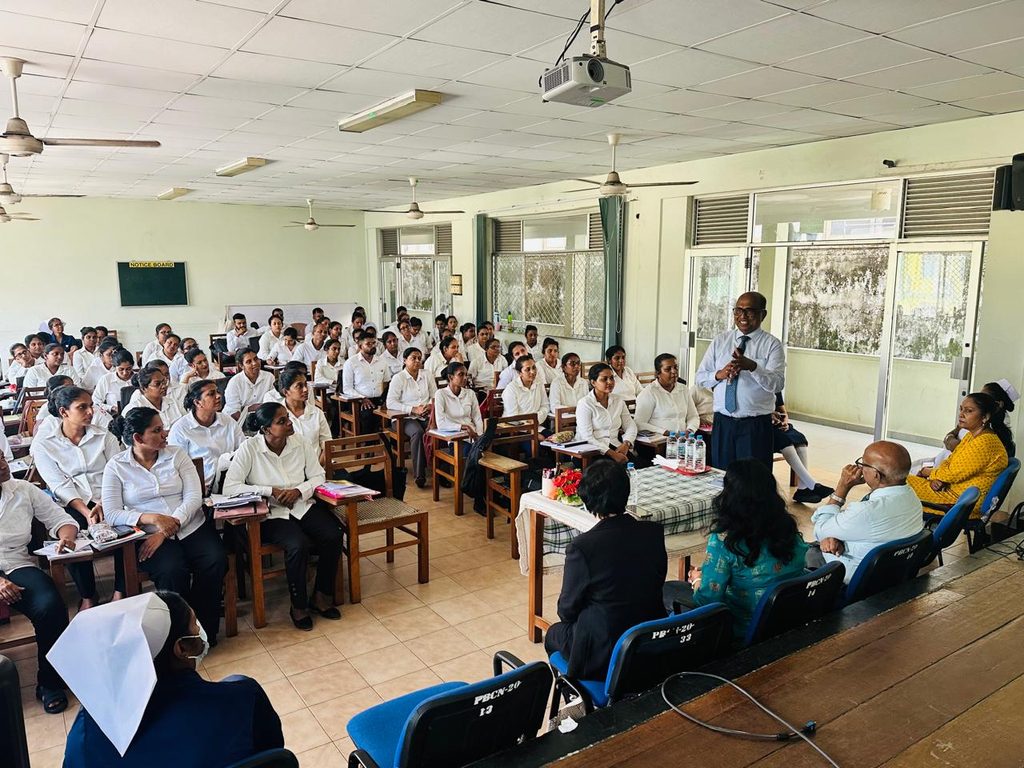
Behind it all was our local partner, Dr Suraj Perera, Consultant Community Physician at the National Cancer Control Programme, Ministry of Health, who leads coordination between APHN and Sri Lanka and helped keep every part of the visit running smoothly.

From Training to Ownership

The Phase 1 Master Trainers moved me immensely. They came back as faculty and explained ideas in ways their colleagues could use. They showed that this work now belongs to Sri Lanka.
The same spirit showed in our meetings with the Honourable Dr Nalinda Jayatissa, Minister of Health and Mass Media, and Dr Senaka Talagala of the Ministry of Health. We also met nursing leaders, consultants from the National Hospital of Sri Lanka and representatives from WHO Sri Lanka. Everyone asked the same things. What does the country need? How do we widen access to essential medicines, including opioids? How do we build something that lasts?

The Meaning of Light
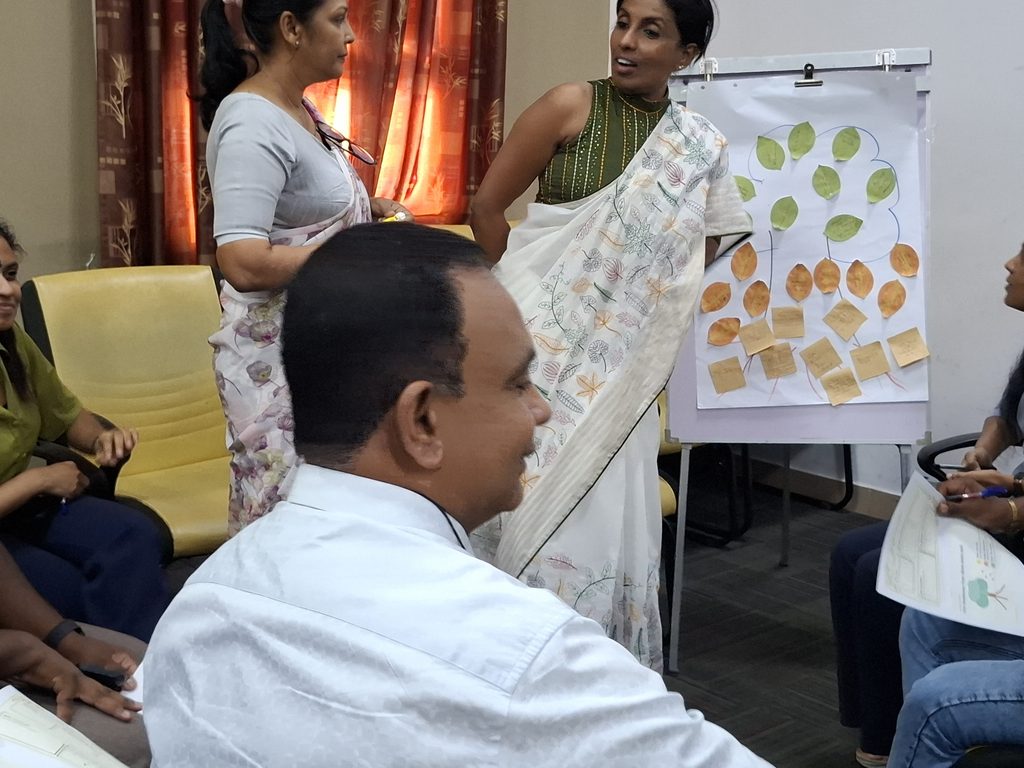
Our visit came just before Deepavali, the Festival of Lights, on 8 November. The festival speaks of light over darkness and hope over despair. In palliative care, light can be small: a clinician who listens without rushing, or a nurse who stays beside a frightened family. Module 2 felt like the lighting of many small flames.
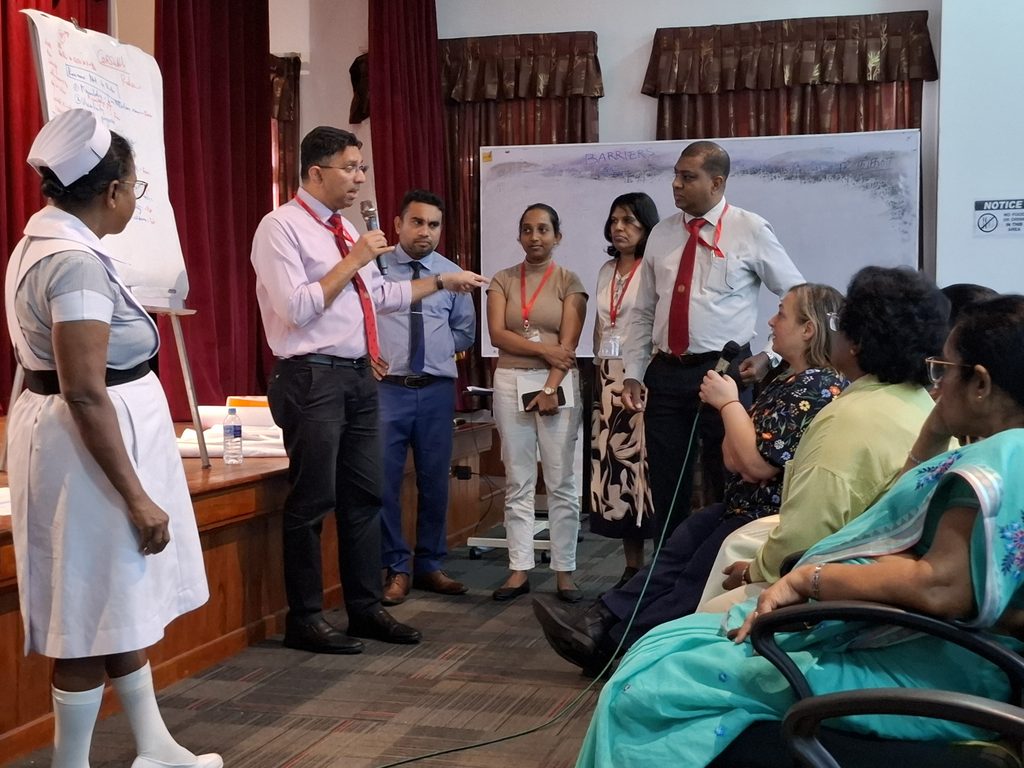
The dedication I saw was real and practical. Most people arrived early, stayed late and spoke openly about gaps in resources and staff. Sri Lanka does not need perfection to begin. It needs committed people and strong partnerships, and I saw both.
Carrying the Flame Forward
We will return for Module 3 and continue to mentor, support the curriculum and help link hospitals with community care. But the real work will go on long after we leave, in the hands of the people who asked how to make it work.
I hope the light they carry reaches every patient who needs to know that their pain can be eased and their dignity protected.
Written by Cheyenne Chai (APHN Executive)
This project is a Lien Collaborative for Palliative Care initiative to build capacity in developing countries in Asia. The Lien Collaborative for Palliative Care was co-developed by the Asia Pacific Hospice Palliative Care Network (APHN) and the Lien Foundation.

